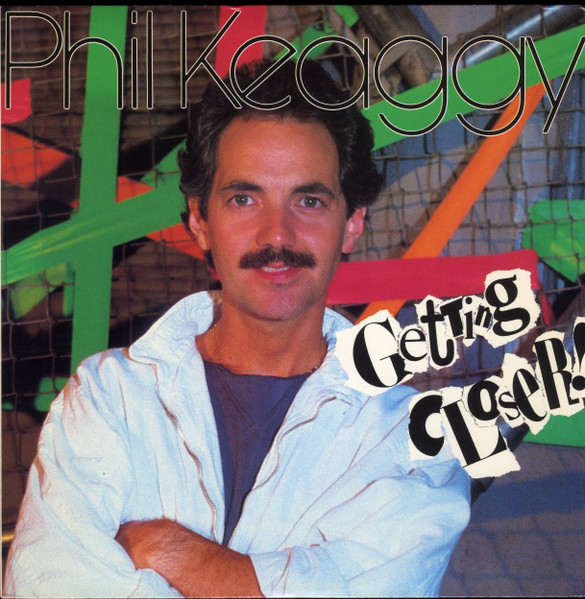
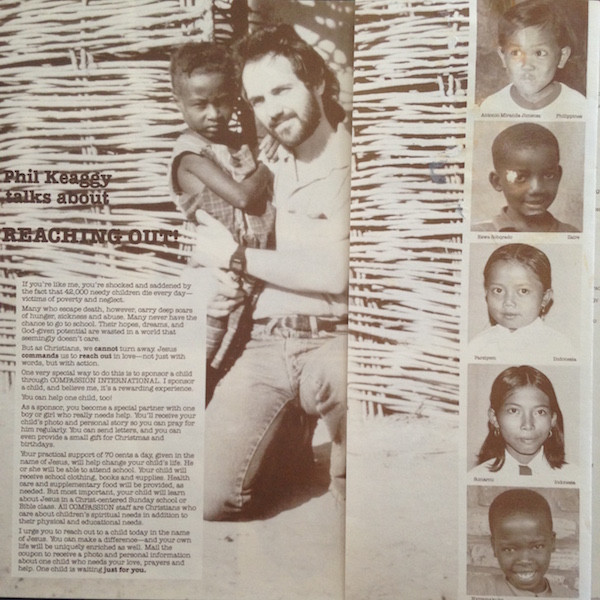
This is Phil’s offering for 1985. It was not that well received by his biggest fans but I love it. Criticisms of the album were that it didn’t feature his guitar playing but instead was more of a pop album. This of course is the exact reason I love it. I’m more of a pop rock kind of guy and less of a guitar virtuoso kind of guy. It was a little heavy on the electronic drums but that doesn’t bother me. As usual for Keaggy many of the tracks had one too many verses making them unnecessarily long but this is part of who Keaggy is so I shouldn’t fault it. “Sounds” does a good job of highlighting his guitar skills so that track is there for the crowd that loves him for his guitar skills. The album includes the original version of “I Will Be There” which I think is a better version than the one that would show up on Crimson And Blue in 1993. The CD release for this album in 1998 included 2 bonus track that we have included in our upload.
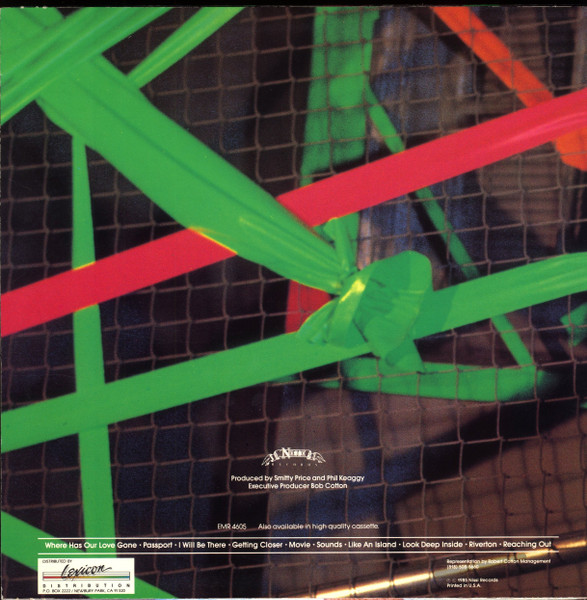
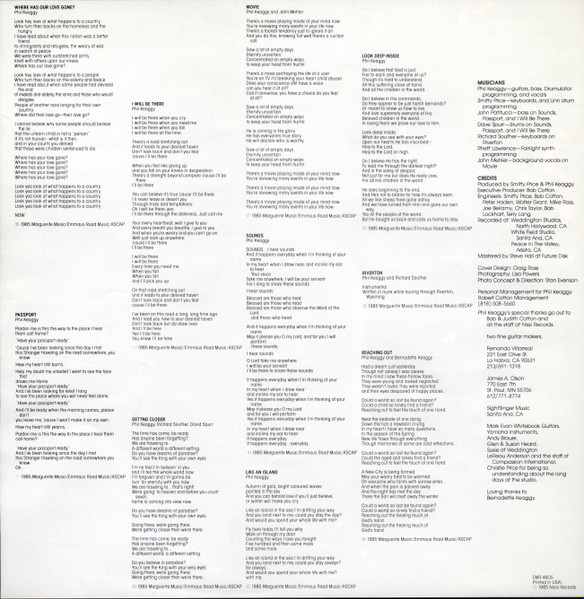
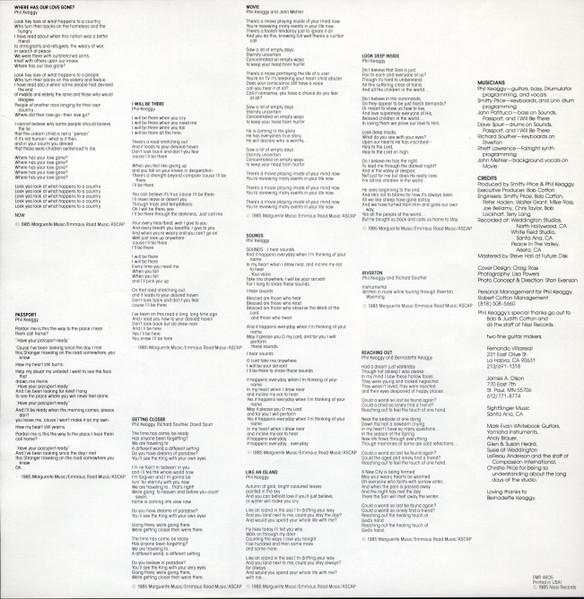
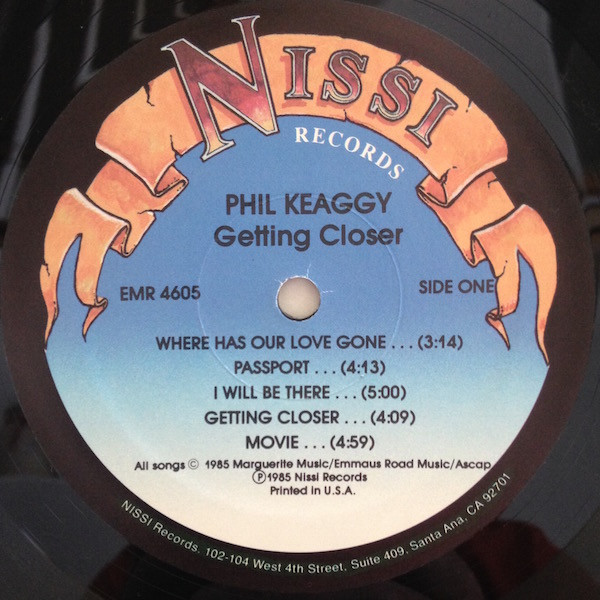
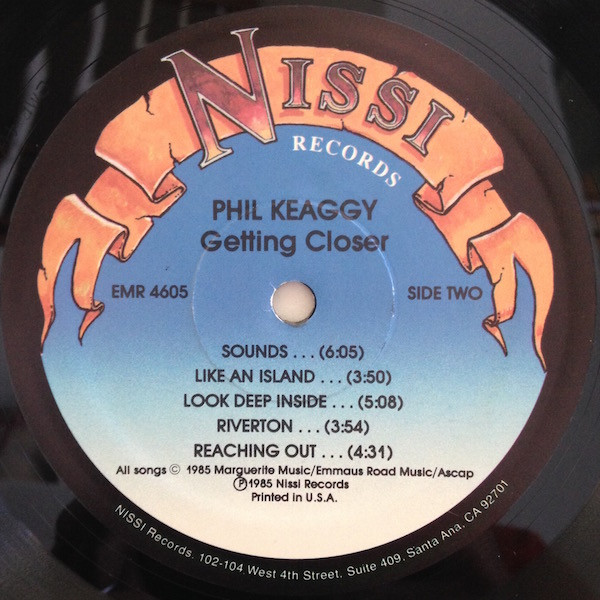
Tracklist 1 – Where Has Our Love Gone – 3:14 2 – Passport – 4:13 3 – I Will Be There – 5:00 4 – Getting Closer – 4:09 5 – Movie – 4:59 6 – Sounds – 6:05 7 – Like An Island – 3:50 8 – Look Deep Inside – 5:08 9 – Riverton – 3:54 10 – Reaching Out – 4:31 11 – Get Up And Go – 2:46 12 – Sunrise – 3:20
Credits Art Direction, Design [Photo Concept] – Stan Evenson Backing Vocals – John Mehler Bass – John Patitucci Drums – Dave Spurr Engineer – Bob Lockhart, Chris Taylor, Joe Bellamy, Mike Ross, Peter Haden, Terry Lang, Walter Grant Executive-Producer, Engineer – Bob Cotton Guitar, Vocals, Bass, Drum Programming, Producer, Written By – Phil Keaggy Keyboards – Richard Souther Keyboards, Drum Programming [Linn], Producer, Engineer – Smitty Price Mastered By – Steve Hall Photography By – Lisa Powers Programmed By [Fairlight Synth] – Rhett Lawrence Written-By – Bernadette Keaggy, Dave Spurr, John Mehler, Richard Souther
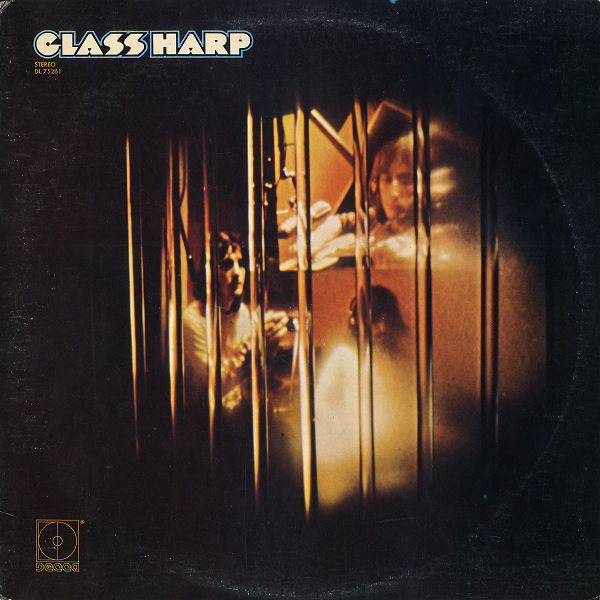
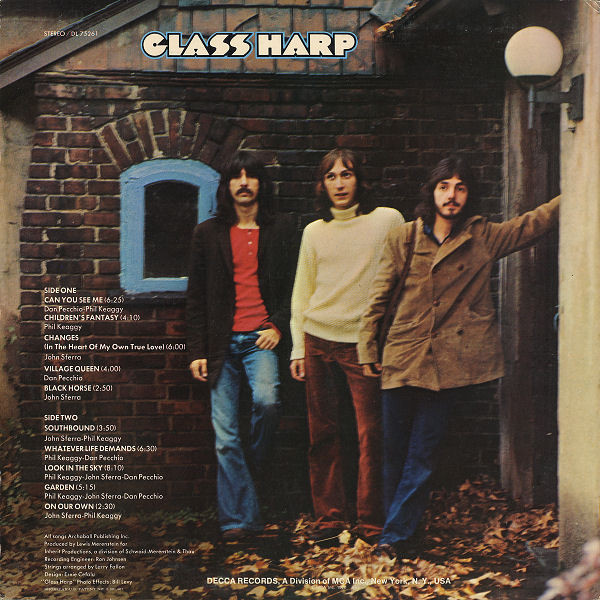
The single greatest and most often repeated “urban legend” in CCM history involves a supposed encounter with Jimi Hendrix and Johnny Carson in which it is claimed that Jimi Hendrix claimed that Phil Keaggy was the greatest guitar player in the world. Or maybe it was Dick Cavett and Eric Clapton or perhaps Jimmy Page and… It’s important to note that the only reason the fabled legend has continued to exist (despite Keaggy’s constant denials) is because Phil Keaggy is one of the greatest guitar players in the world. In fact, the proliferation of such a myth can only seem plausible because o0f Keaggy’s sheer mastery of the instrument and his incredible creativity. Now it should be noted that even though the album in question was recorded in the famed Hendrix stomping grounds, Electric Lady Studios, the legendary guitar player passed away two weeks before Glass Harp began recording and Keaggy does not believe Hendrix ever heard Keaggy play. In spite of the legends questionable validity, it must not be discounted what amazing music Keaggy created as part of Glass Harp. One of the original “power trios” in rock music they are often labeled as a psychedelic or progressive rock band when in fact they are closer to a “jam band” popularized by The Grateful Dead, Cream, Blind Faith and most recently Phish. Noted for musical stylistic fusions and original improvisations, Glass harp would and should be considered one of the pioneers of the movement. Built around three very strong musicians, most notably Keaggy, the three albums created by Glass harp are astounding works of creativity, originality and musical mastery. The debut stands out for the more aggressive rock sounds and for leading off with what should be considered the “Stairway to Heaven” of Christian music, Can You See Me. Starting slow and building into two separate instrumental breaks lead by Keaggy’s sizzling and soaring guitar work. It can not be understated just how great this song is and how well it should be regarded by CCM music historians. The whole record is brilliant and moving. It was also very, very “Christian” in its content. There are bold declarations of faith and and Biblical themes despite the placement on a secular label. Oddly enough, this album is often overlooked when people refer to that which can be considered the first “Christian Rock” album. The band would record two more album and right about when many thought they were going to “break through” Keaggy left to concentrate on writing more distinctly Christian songs for the burgeoning Christian music industry. The band has reunited on a few occasions over the years, including one night immortalized in the song, Wish You Were There, from Keaggy’s Town to Town LP.
Contributor David Lowman – https://legacyccmsgreatestalbums.wordpress.com
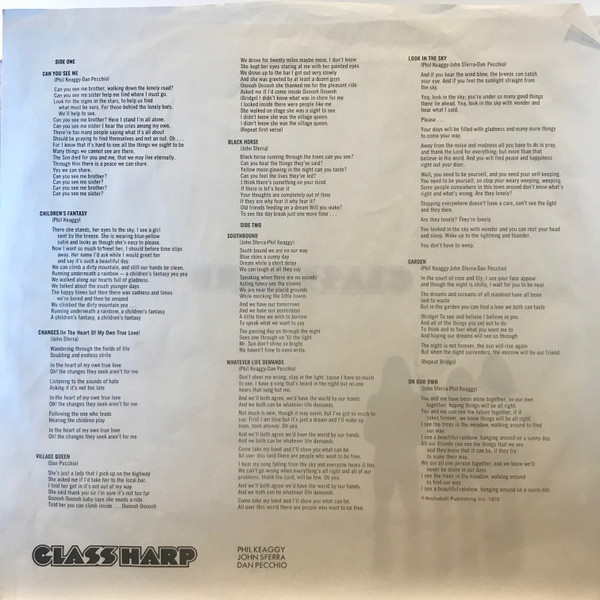
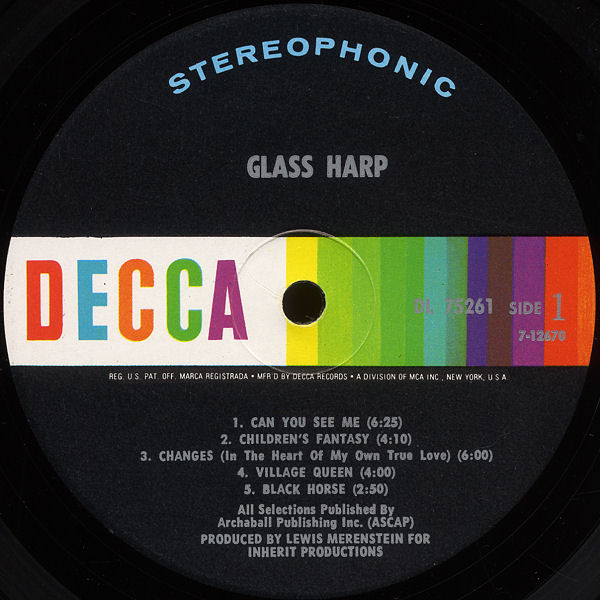
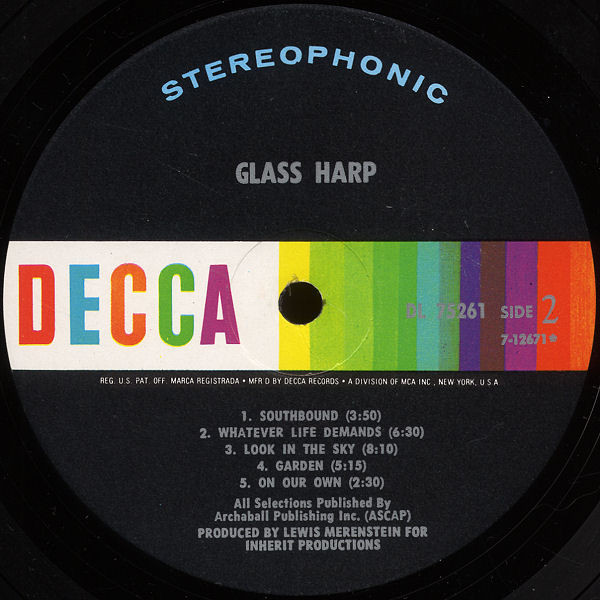
Tracklist 1 – Can You See Me – 6:25 2 – Children’s Fantasy – 4:10 3 – Changes (In The Heart Of My Own True Love) – 6:00 4 – Village Queen – 4:00 5 – Black Horse – 2:50 6 – Southbound – 3:50 7 – Whatever Life Demands – 6:30 8 – Look In The Sky – 8:10 9 – Garden – 5:15 10 – On Our Own – 2:30 2005 CD Bonus track 11 – Voice of God Cry Out – 4:10
Credits Arranged By [Strings] – Larry Fallon Artwork [Album Design] – Ernie Cefalu Bass, Vocals, Flute – Dan Pecchio* Drums, Vocals, Acoustic Guitar – John Sferra Electric Guitar, Vocals, Acoustic Guitar – Phil Keaggy Engineer – Ron Johnsen Liner Notes – Robert Brandt Photography By [Back Cover] – Billy Bass Photography By [Glass Harp Photo Effects] – Bill Levy Producer – Lewis Merenstein Viola [Electric] – John Cale
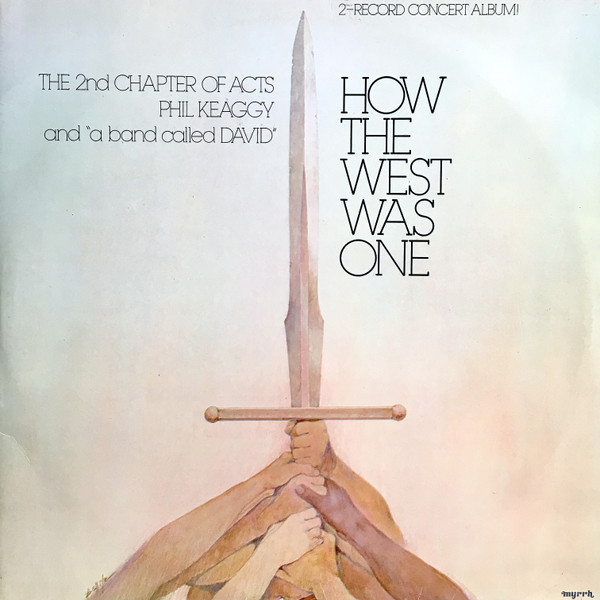
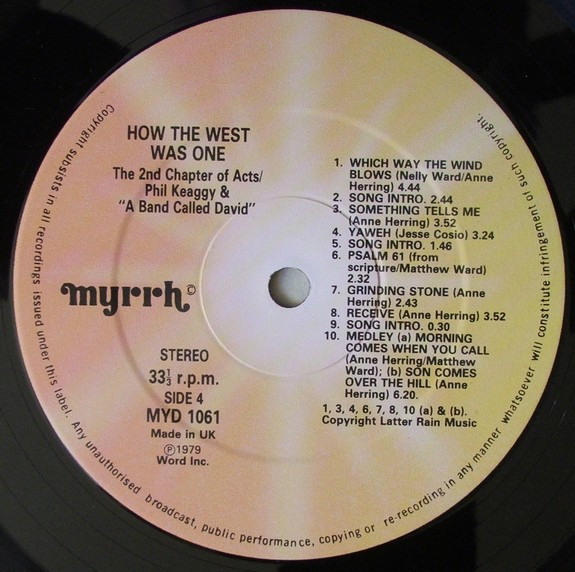
“How the West Was One” is an artistic achievement of its own and is deserving of its representation here if only for the remarkable performance of Phil Keaggy. Phil Keaggy, more than any artist in Christian music, has suffered from the limitations of studio projects. Most fans of Keaggy bemoan how his live performances have never been captured in the studio. This is certainly not the case here, but that will be dealt with later.
The first thing to note is the ambitious scope of the project itself. A few years earlier the 2nd Chapter of Acts had released a live album with fellow Jesus Music pioneer, Barry McGuire. That album was a double album and sold relatively well based primarily on the success of Barry McGuire who brought quite a strong musical legacy to Christian music. This project was more ambitious being a very rare three record set with the 2nd Chapter of Acts having to carry the load as Phil Keaggy was a relative newcomer to the market and his following was much more in the rock musician vein. Add to that the fact that the SCOA had not released another album of new material since the previous live album with McGuire.
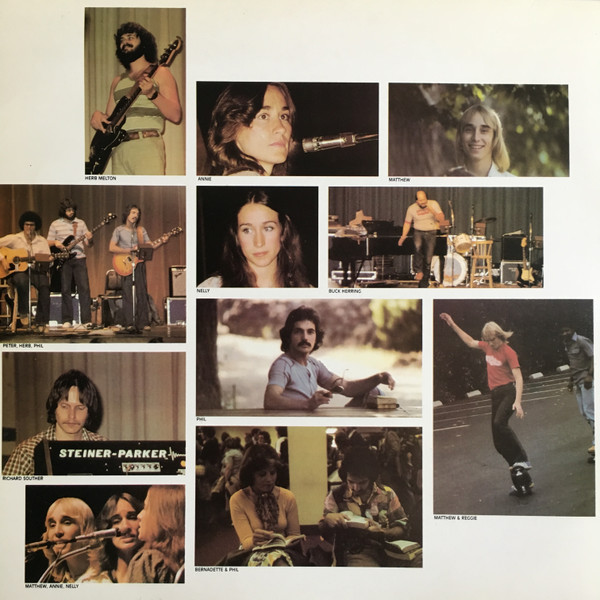
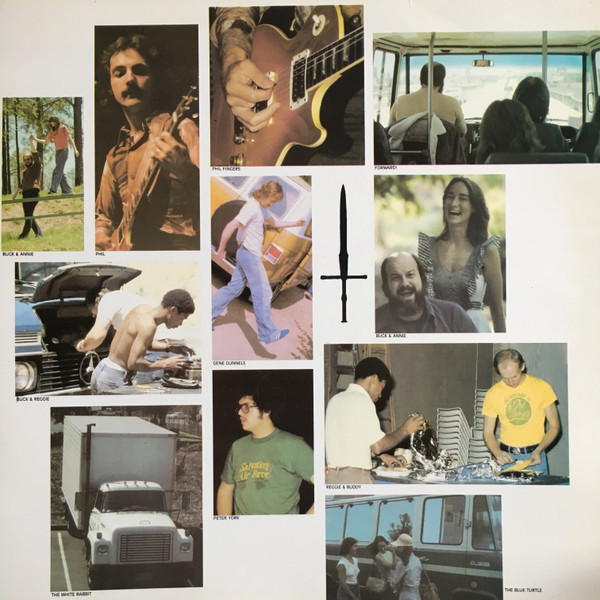
But the pure passion and quality of the performances included on this project are simply top rate. The back up band, a band called DAVID, contained some of the best musicians Christian music has ever witnessed. The band was not called “DAVID” but rather “a band called DAVID.” The band included Gene Gunnels, former drummer Strawberry Alarm Clock, Peter York and the amazing Richard Souther. Along with Keaggy playing throughout the entire album the musicianship was superior. The live band also made the music of SCOA more authentically contemporary,
Highlights include “Hey, Watcha Say,” “Which Way the Wind Blows,” Yahweh,” and one of the finest versions of “Easter Song” to date. The recordings, which were culled from an 18 city tour during 1977, were incredibly well produced with exceptional mixes.
As much as I am a huge fan of the Second Chapter of Acts this project was truly a coming out party for Phil Keaggy. Previous to this release Keaggy was a bit of a cult hero, but mainstream Christian music had not completely caught on to this amazing master. Underground rock fans were familiar with Keaggy and his previous band Glass Harp, a sixties influenced, psychedelic blues influenced band that released three fantastic projects that saw limited success.
Keaggy’s guitar virtuoso reputation was impressive and many urban legends regarding secular guitar heroes respect for his abilities have continued unabated despite nefarious beginnings. One included a comment from famed guitar “rock god” Jimi Hendrix supposedly calling Keaggy the greatest guitar player in the world. Keaggy denies even the possibility of this by noting that Glass Harp’s first album did not even begin to be recorded until weeks after Hendrix’s death.
But these legends have continued for 40 years precisely because of the kind of guitar work demonstrated on “How the West Was One.” Both acoustic and electric stylings are represented here and the craftsmanship is simply unbelievable.
Highlights include “What a Day,” the title track from Keaggy’s debut solo record and has remained a staple for Keaggy for nearly 40 years. “Your Love Broke Through” was the title track of Keaggy’s second release and is a wonderful Jesus Music classic penned by Randy Stonehill and Keith Green. It is said that Green was so impressed by Keaggy and his version of the song that he requested that Keaggy release the song before he did.
But there are two songs that simply make this project the true classic that it has become. The first is the nearly 17 minute version of “Rejoice” that shows both Keaggy’s amazing skills and the subtlety of his guitar work. This is not some long rambling “jam” but rather the work of a master displaying diversity, restraint and creative skill. Much of the instrumental spotlight is exclusively the work of Keaggy as the rest of the band simply stops playing and leaves Keaggy and his guitar work center stage.
The other highlight is quite possibly the “Stairway to Heaven” of Christian music. The song, “Time” is a 10 minute tour de force of rock at its finest. Where “Rejoice” shows the innovative, creative and quieter side of Keaggy’s work, “Time” just flat out rocks and contains the finest rock work of Keaggy’s career. The song shows the blazing speed and tasteful lead work that always seems to be missing from his studio projects. The back and forth playing between Keaggy and keyboardist Richard Souther is a sheer rock and roll joy.
“How the West Was One” is a snap shot in time and, in some ways, spelled the end of the Jesus Music part of Christian Music’s history. Things seemed to get “bigger” after the release of this project and two Jesus Music’s leading performers would become significant cogs in the bigger music medium of the 1980′s. But for that moment in time, this wonderful album remains a reminder to what was as it, at the same time, pointed to would be.
Contributor David Lowman – https://legacyccmsgreatestalbums.wordpress.com/
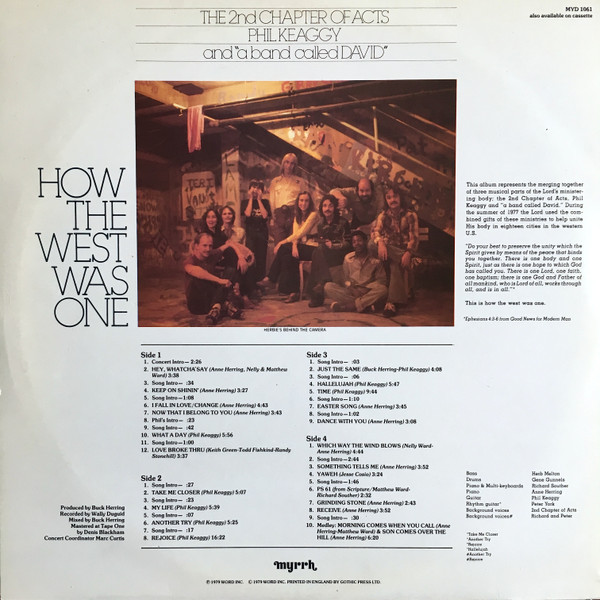
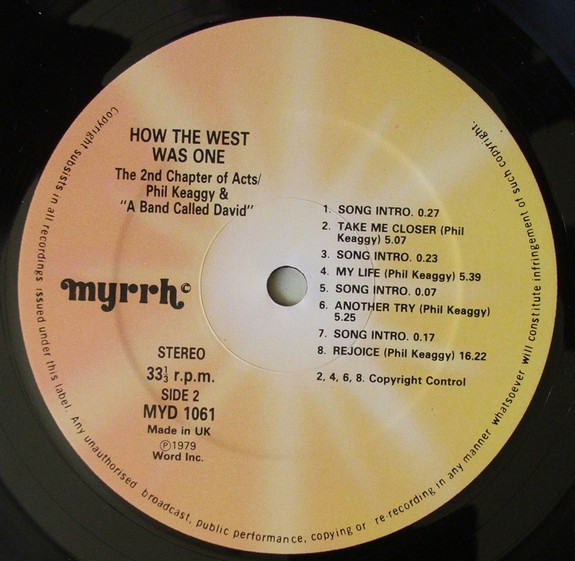
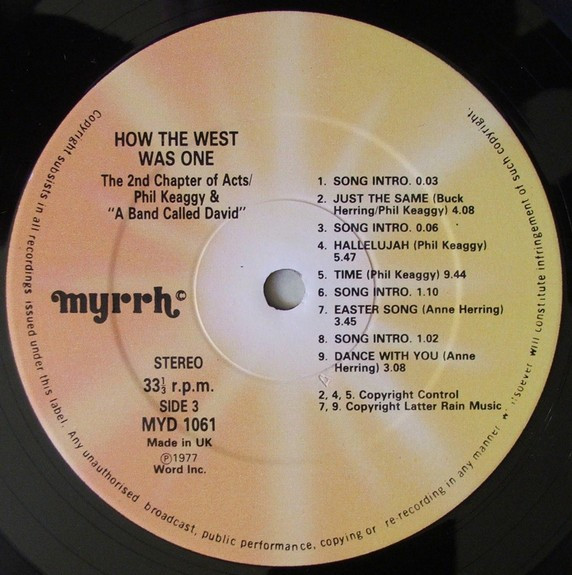
Tracklist 1 – Concert Intro – 2:19 2 – Hey, Watcha Say – 4:13 3 – Keep On Shinin’ – 3:26 4 – I Fall In Love/Change – 5:49 5 – Now That I Belong To You – 4:08 6 – What A Day – 6:38 7 – Love Broke Thru – 4:26 8 – Take Me Closer – 5:34 9 – My Life – 5:58 10 – Another Try – 5:06 11 – Rejoice – 16:57 12 – Just The Same – 4:17 13 – Hallelujah – 5:37 14 – Time – 9:35 15 – Easter Song – 4:54 16 – Dance With You – 4:07 17 – Which Way The Wind Blows – 4:44 18 – Something Tells Me – 6:32 19 – Yaweh (Yawehuesse Cosio) – 3:24 20 – Psalms 61 (From Scripture) – 3:18 21 – Grinding Stone – 2:47 22 – Receive – 3:53 23 – Morning Comes When You Call/Son Comes Over The Hill – 6:51
Credits Marc Curtis – Coordinator [Concert] Wally Duguid – engineer Nelly Greisen – vocals Gene Gunnels – drums Annie Herring – piano, vocals Buck Herring – producer, mixer, concert intro Phil Keaggy – guitar, vocals Herb Melton – bass Richard Souther – piano, multi-keyboards, background vocals Matthew Ward – vocals Peter York – rhythm guitar, background vocals
Companies, etc. Manufactured By – Word, Inc. Distributed By – Word, Inc.
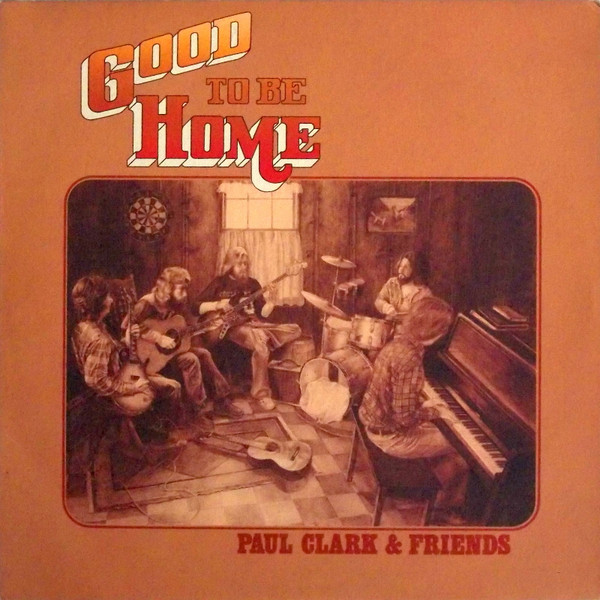
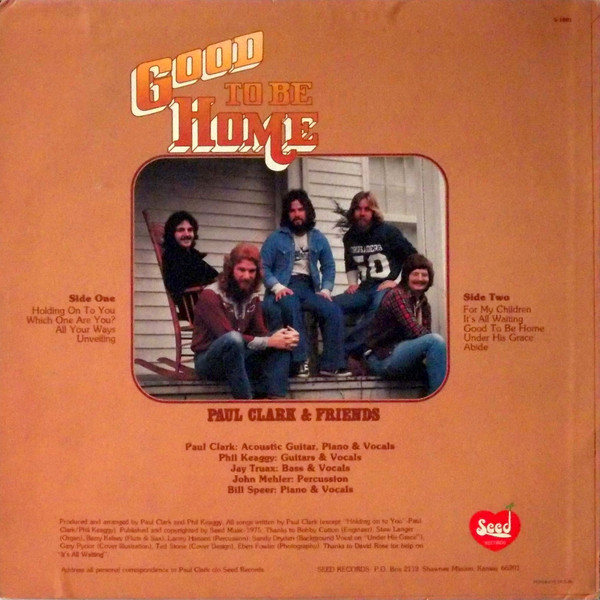
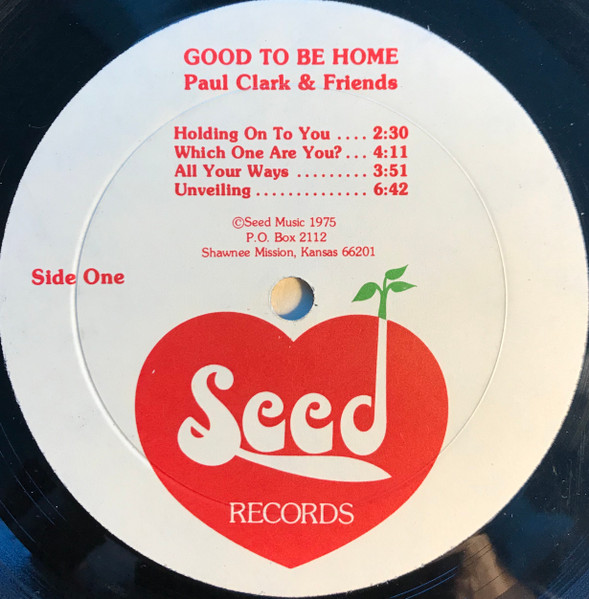
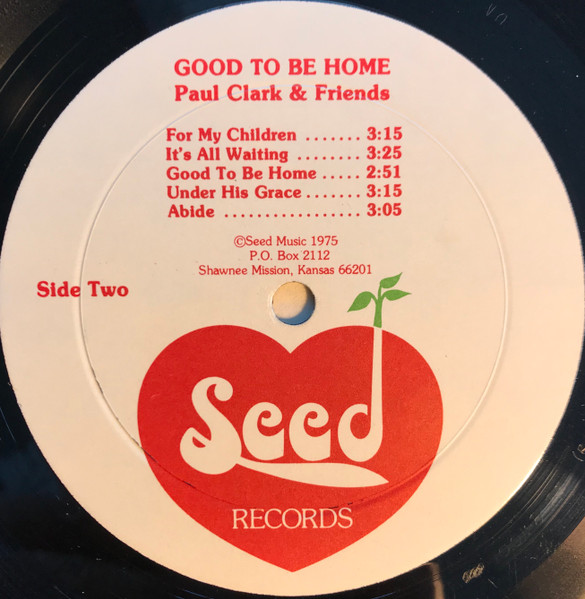
If ever the added artist inclusion of “friends” even meant anything it was on Paul Clark’s classic rock and roll album “Good to Be Home.” The Phil Keaggy factor is HUGE here including his inclusion as the lead vocalist on the opening track. Keaggy’s guitar work is also all over the album. And it’s some of Phil’s rockier work as in comparison to his own albums released at the same time. For 1975 this was pretty progressive. Hammond organ riffs jettisoning back and forth with Keaggy’s fantastic fret work. Also included amongst the friends are Jay Truax and John Mehler from Love Song. They all collaborated on this album and the “band” feel really shows. “Unveiling” may be one of Clark’s most impressive and compelling songs. Clocking in at just under seven minutes this song truly allows Keaggy to shine, not just in the fancier fret work or scorching leads but in creating ambiance and atmosphere for this epic. This may have been CCM’s earliest foray into progressive rock sounding like a more jazz influenced Kansas number. I once asked several “Jesus Music” experts if they could only own one of Paul Clark’s classic albums, which one would it be. The response was unique in that many stated that though they didn’t believe “Good to Be Home” to be Clark’s finest work, the majority stated it would be the one to own. That says a lot about how often in Jesus Music and CCM the heart of an album can impact ones perception as much as the artistic value.
Contributor David Lowman – https://legacyccmsgreatestalbums.wordpress.com/
Tracklist 1 – Holding On To You – 2:30 2 – Which One Are You? – 4:11 3 – All Your Ways – 3:51 4 – Unveiling – 6:42 5 – For My Children – 3:15 6 – It’s All Waiting – 3:25 7 – Good To Be Home – 2:51 8 – Under His Grace – 3:15 9 – Abide – 3:05
Credits Artwork By [Cover Design] – Ted Stone Artwork By [Cover Illustration] – Gary Pycior Backing Vocals – Sandy Dryden Bass, Vocals – Jay Truax Engineer – Bob Cotton Guitar, Vocals – Phil Keaggy Organ – Stew Langer Percussion – John Mehler, Lanny Hansen Photography – Eben Fowler Piano, Guitar [Acoustic], Vocals – Paul Clark Piano, Vocals – Bill Speer Producer – Paul Clark, Phil Keaggy Saxophone, Flute – Barry Kelsey Written-By – Paul Clark, Phil Keaggy
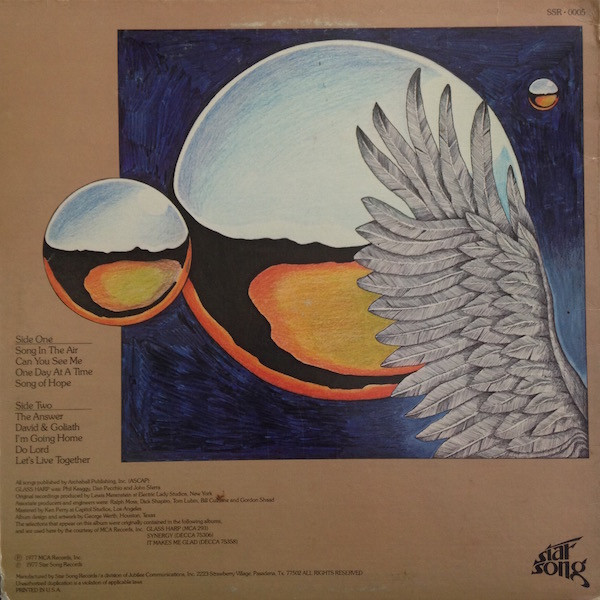
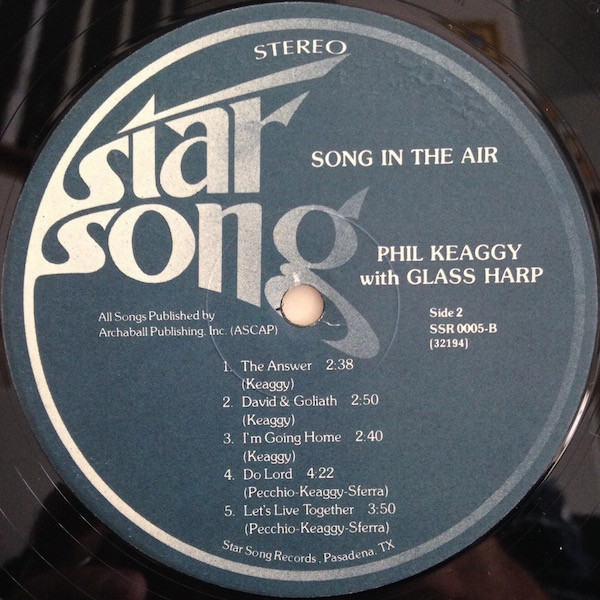
This 1977 release from Phil Keaggy and Glass Harp is actually a compilation album of Keaggy’s work with Glass Harp in the early 70’s. Glass Harp was one of the early bands Keaggy was a member of. The album is very easy listening but does highlight Keaggy’s excellent guitar work.
Tracklist 1 – Song In The Air – 2:35 2 – Can You See Me – 6:25 3 – One Day At A Time – 3:40 4 – Song Of Hope – 4:21 5 – The Answer – 2:38 6 – David & Goliath – 2:50 7 – I’m Going Home – 2:40 8 – Do Lord – 4:22 9 – Let’s Live Together – 3:50
Credits Design, Artwork – George Werth Lacquer Cut By – KP Mastered By – Ken Perry Performer – Dan Pecchio, John Sferra, Phil Keaggy Producer [Associate], Engineer – Bill Culhane, Dick Shapiro, Gordon Shaad, Ralph Moss, Tom Lubin Producer [Original Recordings] – Lewis Merenstein
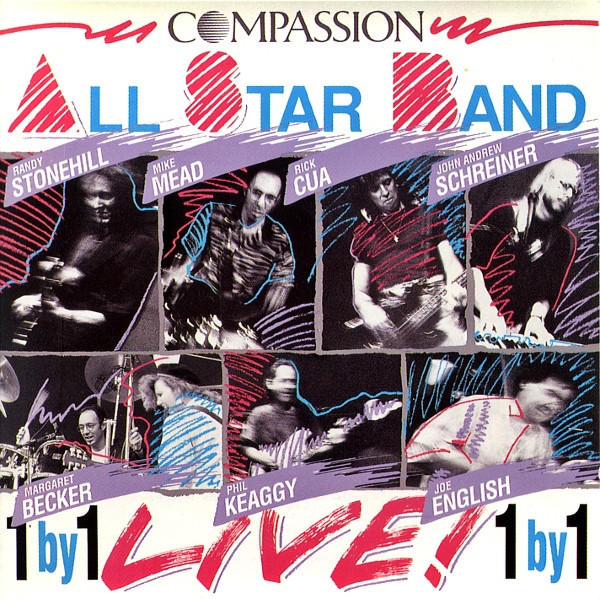
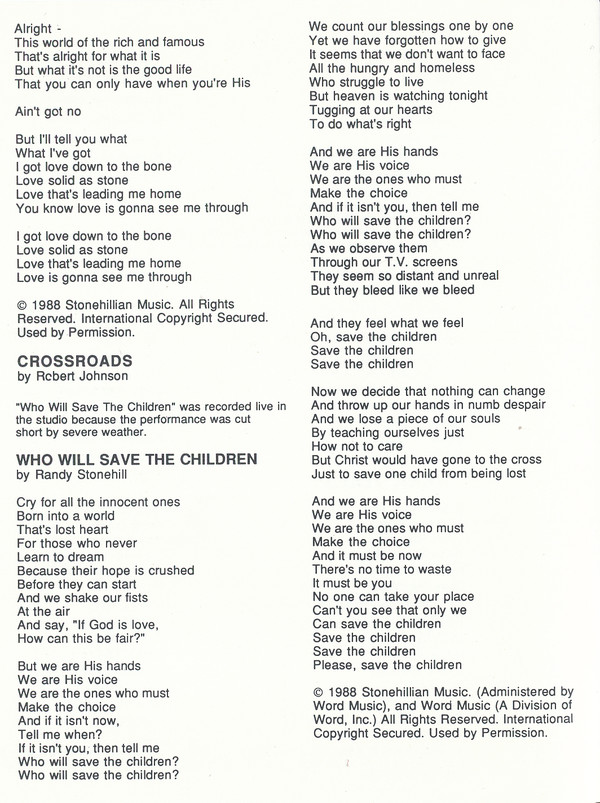
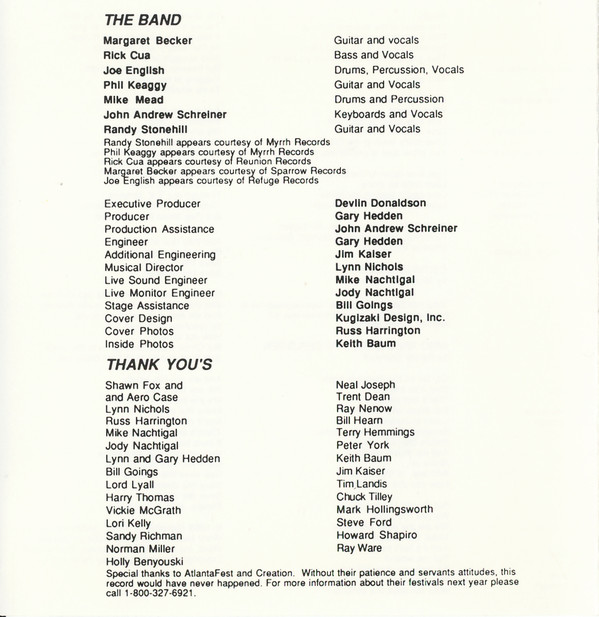
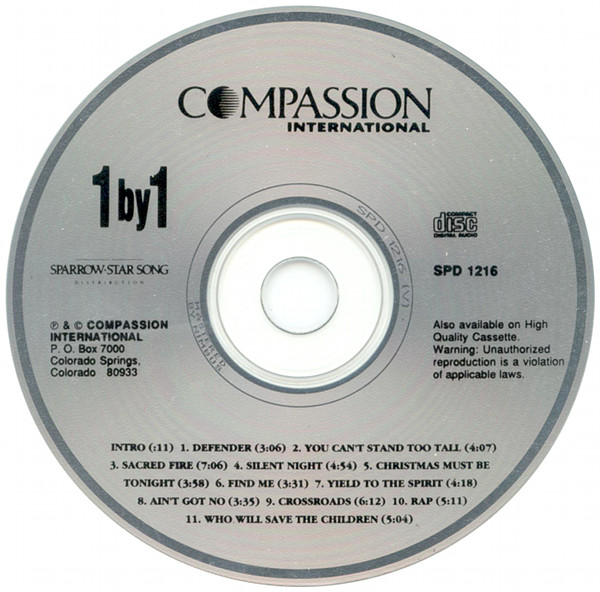
The Compassion All Star Band was a collection of great CCM artists recorded live at 1989’s Creation Festival. The album was a fund raiser for the charity organization Compassion International and though recorded in June the album includes a few “Christmas” songs as the album was scheduled as a Christmas release. The band was Phil Keaggy, Randy Stonehill, Margaret Becker, Rick Cua, Joe English, Mike Mead and John Andrew Schriner. I had read about this album but honestly hadn’t listened to it when it was released. That’s too bad because I really enjoyed it. It’s not a musical wonder by any stretch as I’m guessing there wasn’t much rehearsal BUT that’s what makes projects like this so great. The unpolished sound gives the tracks more meaning and you can really get a feel for what was a fantastic performance. Strangely the crescendo track “Who Will Save The Children” had to actually be recorded in studio as the concert was rained out. These types of compilation albums are my favourites and it’s too bad CCM music didn’t have more of them.
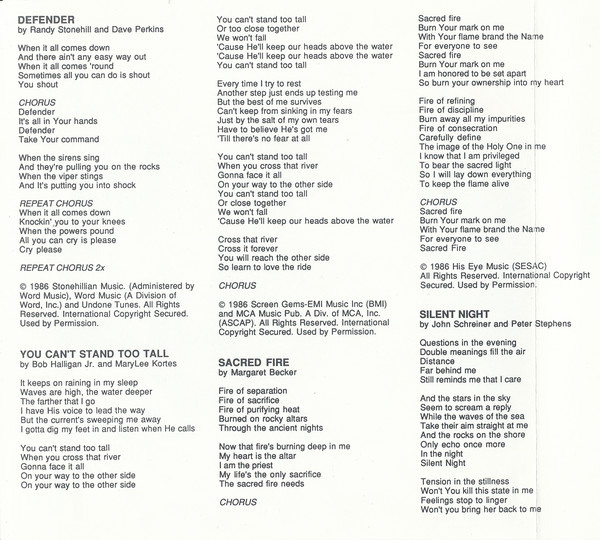
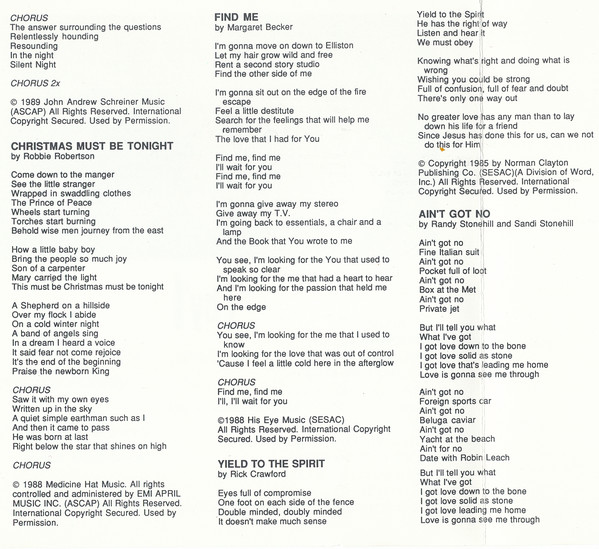
Tracklist 1 – Randy Stonehill – Defender – 3:022 2 – Rick Cua – You Can’t Stand Too Tall – 4:07 3 – Margaret Becker – Sacred Fire – 7:06 4 – John Andrew Schreiner – Silent Night – 4:54 5 – Randy Stonehill – Christmas Must Be Tonight – 3:58 6 – Margaret Becker – Find Me – 3:31 7 – Joe English – Yield To The Spirit – 4:18 8 – Phil Keaggy & Randy Stonehill – Ain’t Got No – 3:35 9 – Randy Stonehill – Crossroads – 6:12 10 – Randy Stonehill – Rap – 5:11 11 – Randy Stonehill & Phil Keaggy – Who Will Save The Children – 5:04
Credits Bass, Vocals – Rick Cua Co-producer [Production Assistance] – John Andrew Schreiner Crew [Stage Assistance] – Bill Goings Design [Cover Design] – Kugizaki Design, Inc. Directed By [Musical Director] – Lynn Nichols Drums, Percussion – Mike Mead Drums, Percussion, Vocals – Joe English Engineer – Gary Heddon Engineer [Additional] – Jim Kaiser Engineer [Live Monitor Engineer] – Jody Nachtigal Engineer [Live Sound Engineer] – Mike Nachtigal Executive-Producer – Devlin Donaldson Guitar, Vocals – Margaret Becker, Phil Keaggy, Randy Stonehill Keyboards, Vocals – John Andrew Schreiner Photography By [Cover Photos] – Russ Harrington Photography By [Inside Photos] – Keith Baum Producer – Gary Heddon
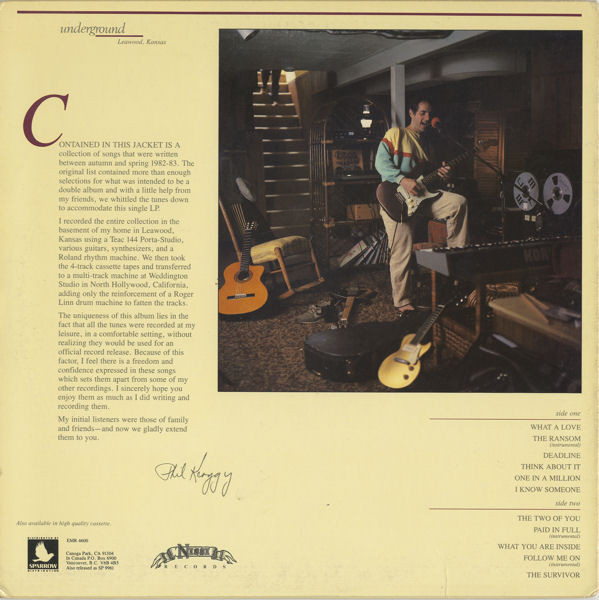
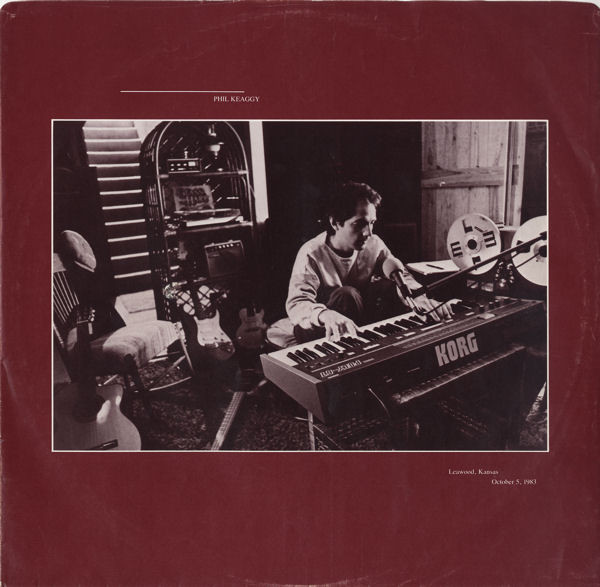
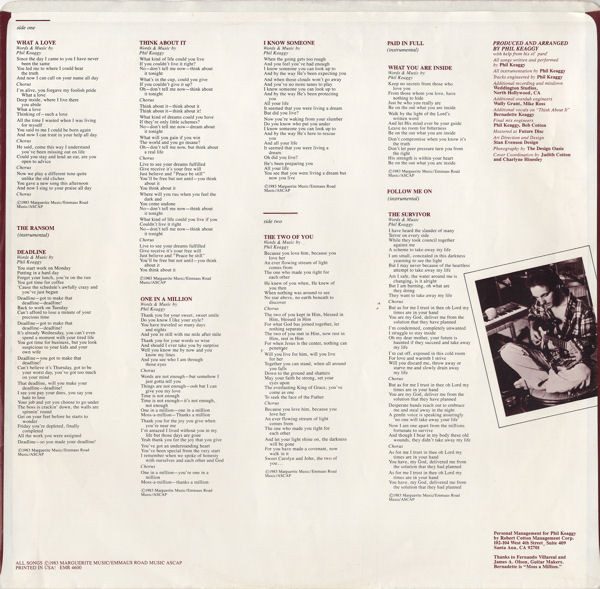
This is a collection of stuff Phil recorded in his basement studio. It was all recorded on a Teac 144 Porta-Studio and Phil played all of the instruments. If you didn’t know this I’m pretty sure you would think this was a studio recorded album with studio musicians. Apparently there was enough material for a double album but a decision was made to make it a single album release as Volume 1. Volume 2 never came unfortunately. I would have loved to hear more. I had not listened to this album back in the 80’s as I wasn’t really a big Keaggy fan. Wow did I miss out. This is a fantastic album. It has a great rock / pop sound with a 70’s feel. In my opinion this might have been some of his best work. Keaggy said he never intended to release these tracks but somehow it happened. I’d love to hear the story of that decision. Keaggy said of this album “The uniqueness of this album lies in the fact that all the tunes were recorded at my leisure, in a comfortable setting, without realizing they would be used for an official record release. Because of this factor, I feel there is a freedom and confidence expressed in these songs which sets them apart from some of my other recordings.”
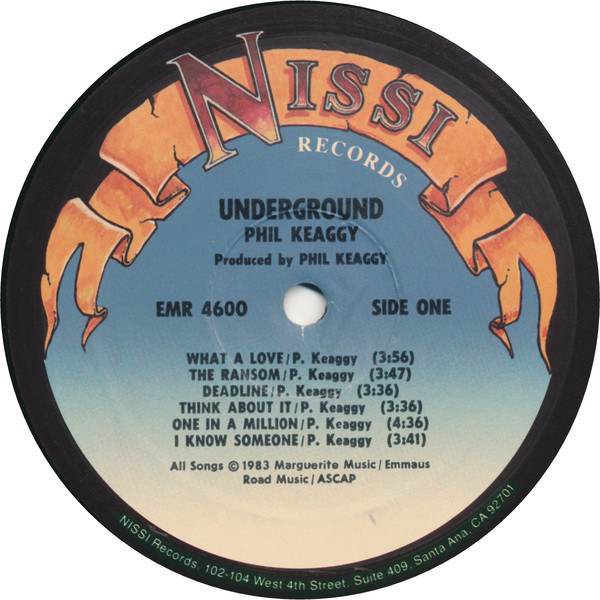
Tracklist 1 – What A Love – 3:56 2 – The Ransom – 3:47 3 – Deadline – 3:36 4 – Think About It – 3:36 5 – One In A Million – 4:36 6 – I Know Someone – 3:41 7 – The Two Of You – 4:56 8 – Paid In Full – 4:20 9 – What You Are Inside – 3:35 10 – Follow Me On – 3:24 11 – The Survivor – 5:12
Credits Arranged By – Phil Keaggy Art Direction, Design – Stan Evenson Design Coordinator [Cover Coordination] – Charlyne Hinesley, Judith Cotton Engineer – Phil Keaggy Engineer [Additional Overdubs] – Mike Ross, Wally Grant Mixed By – Bob Cotton, Phil Keaggy Performer, Instruments [All] – Phil Keaggy Photography By – The Design Oasis Producer – Phil Keaggy Vocals – Phil Keaggy (tracks: A1, A3 to B1, B3, B5) Vocals [Additional] – Bernadette Keaggy (tracks: A4) Written-By – Phil Keaggy
Companies, etc. Phonographic Copyright (p) – Nissi Records Published By – Marguerite Music Published By – Emmaus Road Music Recorded At – Weddington Studios Mixed At – Weddington Studios Mastered At – Future Disc Distributed By – Sparrow Distribution
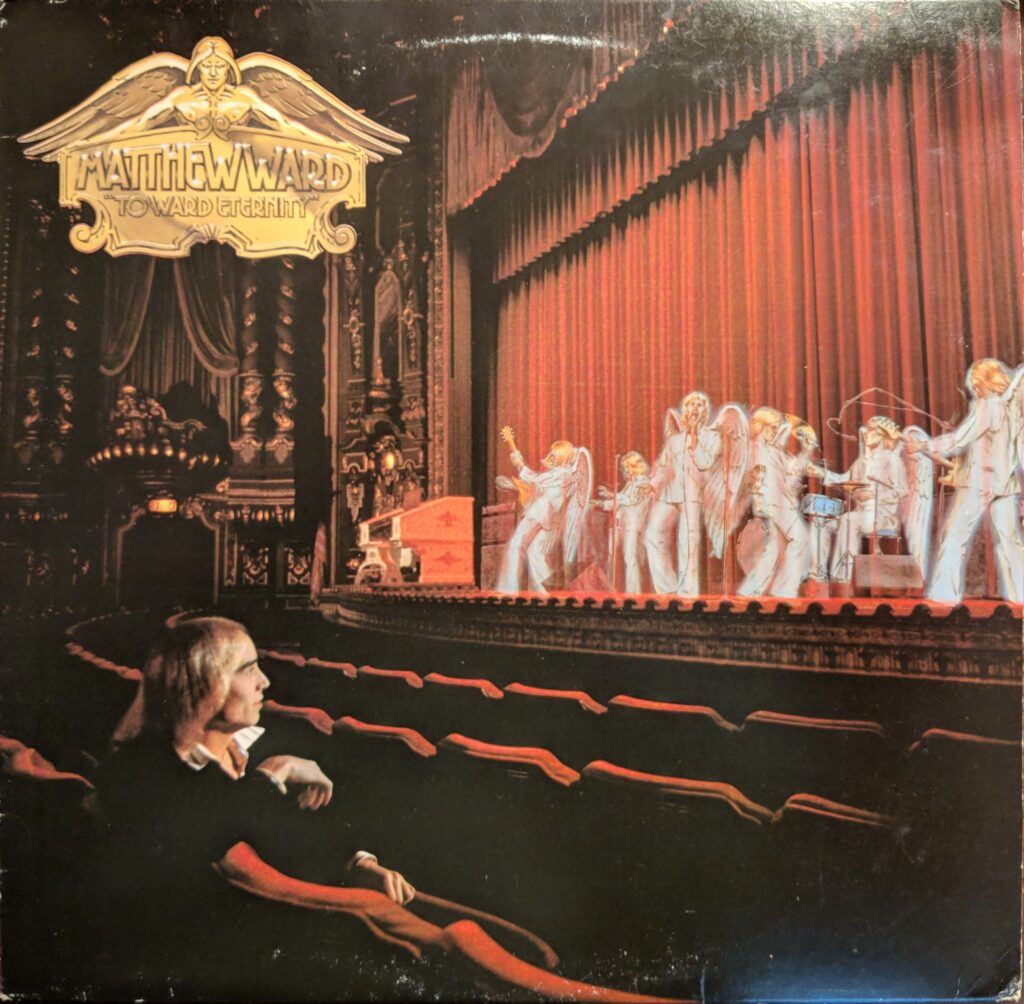
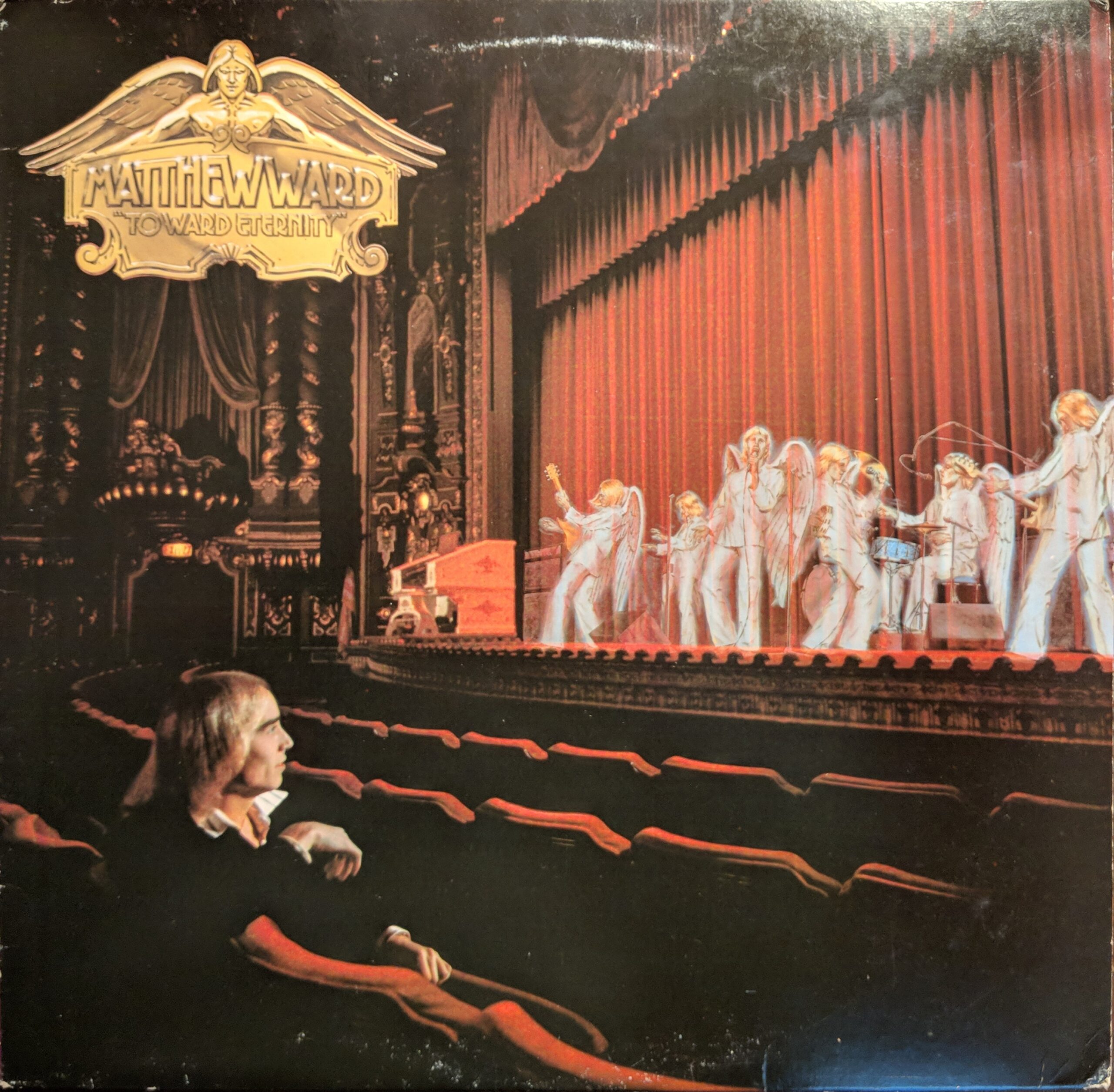
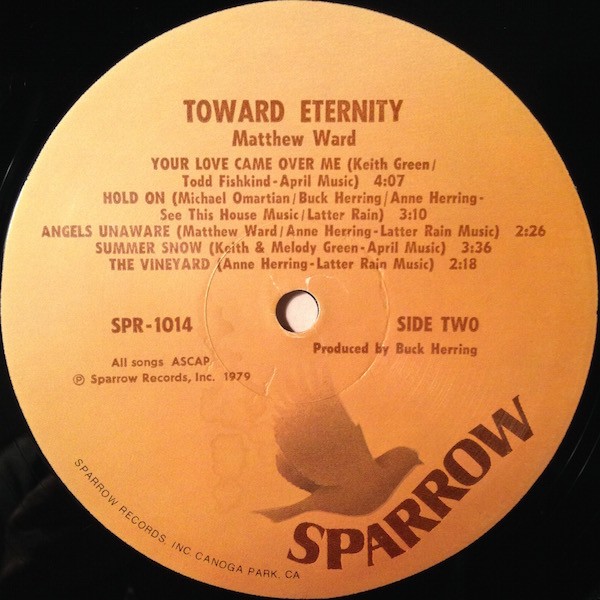
I have heard from different sources that Matthew Ward’s “Toward Eternity” is either the last Jesus Music album or the first CCM album. Released right around the turn of the decade that many define as the historical marker for the two genres. Produced and written by many that were the founder and stalwarts of the Jesus Music era (Randy Stonehill, Phil Keaggy, Keith Green, Michael Omartian), but decidedly more polished, rock and pop driven than anything released previously.
I simply call it a classic that is clearly the center of a musical paradigm shirt in CCM. Production was stellar, performances spotless and Ward’s vocals soar. This is not a solo project from 1/3 of 2nd Chapter of Acts, it is a brilliant rock album conceived and released by an utterly unique and engaging artist in his own right. These are not left-overs from his group, but rather songs that far exceed much of what his siblings were releasing at the time.
Musicians on the album included those mentioned above along with Abraham Laboriel, David Kemper, Ray Parker Jr. and many more studio pros. The album is nearly flawless and many aficionados will list it in their all time Top 10. It was also released at a time when many Christian Music buffs were cutting their teeth on the genre and this album proved to be a revelation to many. I would not be surprised to find many of the “older” readers complaining on its placement in the countdown, and I will not disagree; I understand their reasoning.
Oddly enough, even fans of hard rock love the album despite its general lack of anything leaning in that direction. Much has to do with the great songs and Keaggy’s outrageous guitar work. It is always odd that Keaggy will often lend some of his best work on projects for other artists. But ultimately it comes down to the fact that Ward possesses one of the greatest voices on the planet. Period!
The album kicks off with the funky rock number “It’s Alright” lead by Keaggy’s great guitar work. This is a fearless rock groove with a monster bass line driving the low-end. The song is built around a particular end times expectation complete with money system, beast and mark. That notwithstanding, the song is just so good. The great vocal bridge leads to Keaggy’s driving rhythm guitar work.
Limited breaks between songs leads the starter right into a great Keith green piano driven song, “Soft Spot.” The Beatlesque (Penny Lane) sound of the chorus complete with a great string arrangement softens what could have been a much heavier song, and it actually works in the artists favor given the content of the song.
The acoustic “Noah” immediately sounds like a Phil Keaggy song. And it is. Written by Keaggy, Ward recorded it and someone once mentioned that Keaggy didn’t want to record it after hearing Ward’s masterful vocals. I don’t know if it’s one of those popular urban legends as Keaggy eventually would record his own version.
A personal favorite is the rocker, “Till the Walls Come Down.” Like the lead track, the song is one of the heavier musically and features Keaggy’s awesome guitar work, especially the solo. Written by Ward, Keaggy and Green (wow, just think about that for a moment), the song is most noted for the Michael Omartian lead “killer bees.” One must listen to truly understand the bees reference.
Returning to the most pop oriented piano sound with Green’s “Better Than This,” Ward let’s the vocals go on a few bright moments when he hits some unreal notes. The song has a great hook, but the same can be said for the entire album. I can go years in between listens and still never miss a note when singing along.
What would be initially the start of side two, “Your Love Came Over Me” is great Doobie Brothers (China Grove) type riff that never quits throughout. I know it may be hard for readers today to understand just how rare it was for a “safe” artist to deliver such a rock oriented album. The industry at the time would allow for the occasional pop rock riff, but rarely an album that rocked from start to finish.
The song was written by Keith Green and a gentlemen named Todd Fishkind. Fishkind may be one of the most important songwriters and musicians from the era that no one really knows about. He was very close to Green and they wrote quite a bit together, including the classic “Your Love Broke Through.” Fishkind would also wrote a book about Keith. He was also considered quite the musician.
“Hold On” follows and sounds like something off pop radio at the time. If not for Ward’s distinctive vocals I would swear it could have been a single off of Chicago 13. In fact, it would have been the best song off of Chicago 13.
The borderline “world music” influenced “Angels Unaware” is the only truly dated song from the project. The lyrics about guardian angels at times are silly (something about the “honkin’ flu”) but no more silly than what Amy Grant would record nearly a decade later.
The hiccup of “Angels Unaware” is immediately forgotten with the stunning and emotionally driving ballad, “Summer Snow.” The simple song of faith and God’s timing is exclusively driven by piano and strings. Tom Keene’s great string arrangement supports Green’s beautiful playing. Matthew shows the range both vocally and emotionally here. It ranks amongst the true classic from the era.
The “much too short” album closes with an Anne Herring tune, “The Vineyard.” It is all but an instrumental, as the only vocals are “ooh’s” playing the part of strings on top of Tom Keene’s beautiful piano work. It is a contemplative ending to an utterly brilliant and timeless classic album.
Whether it ended one or era or started another is not of consequence and the debate shall continue. What is of consequence is how truly revelatory and ground breaking the album was and how, over 30 years later, it is still a brilliant masterpiece by a wonderful artist.
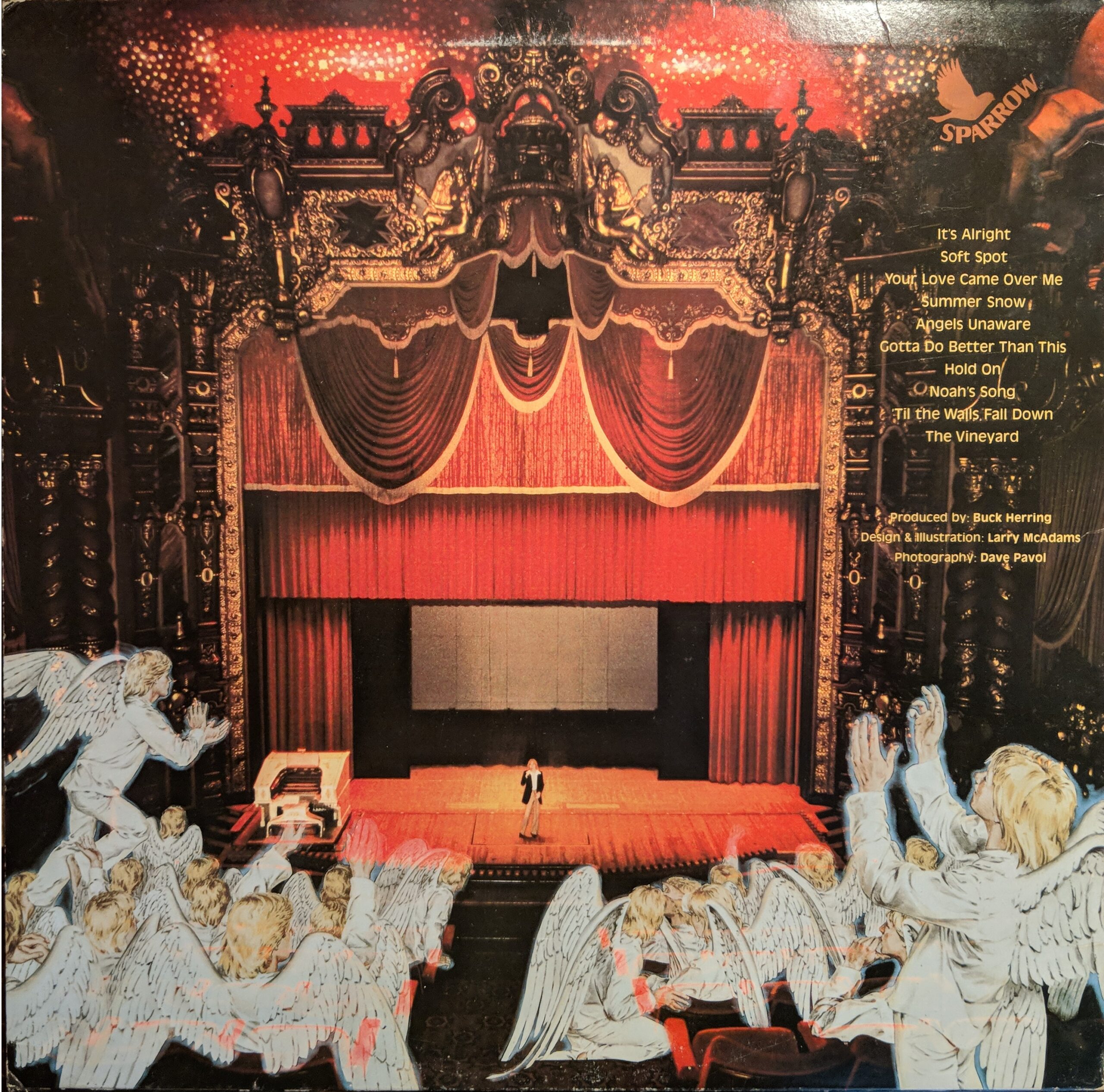
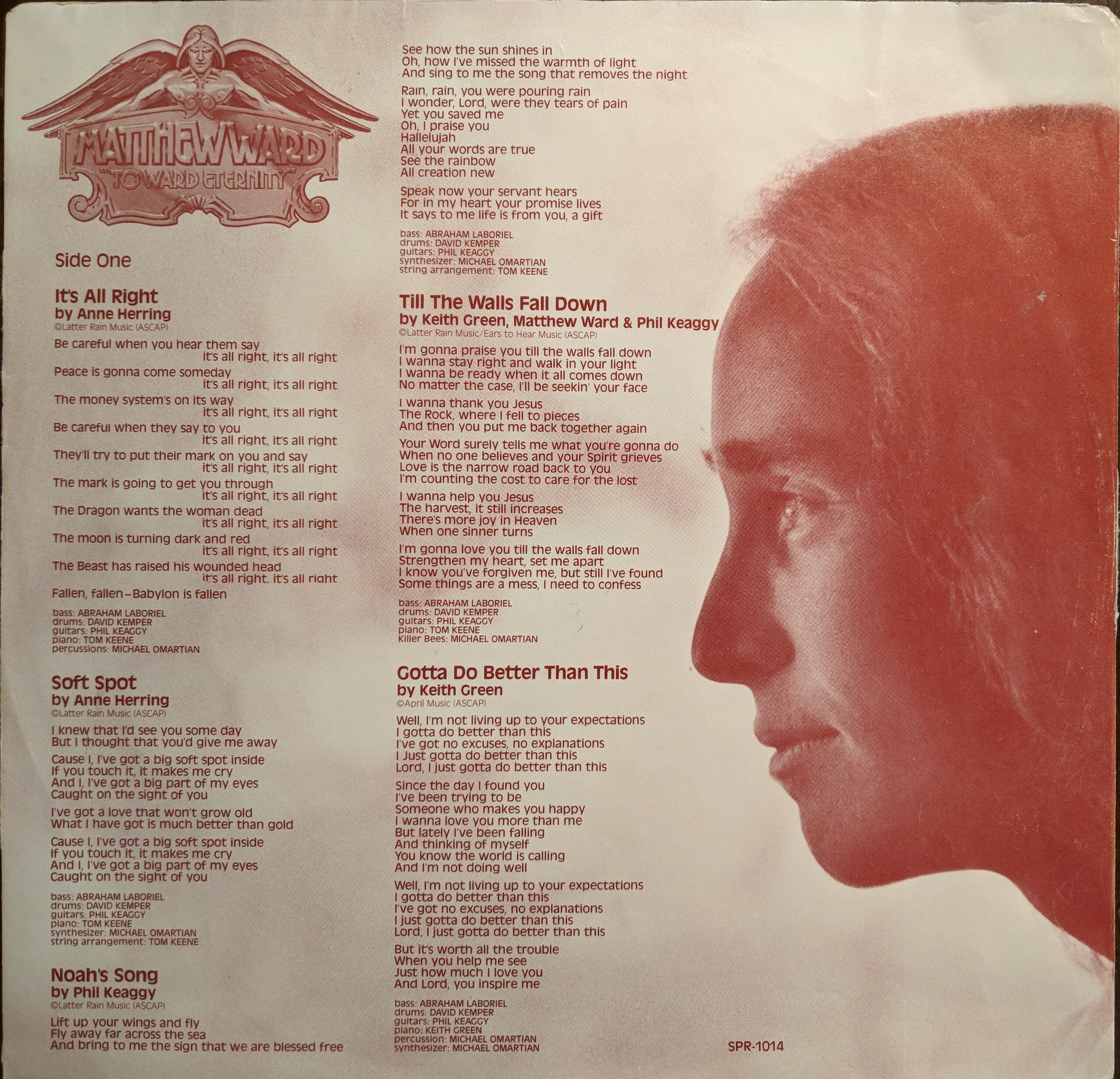
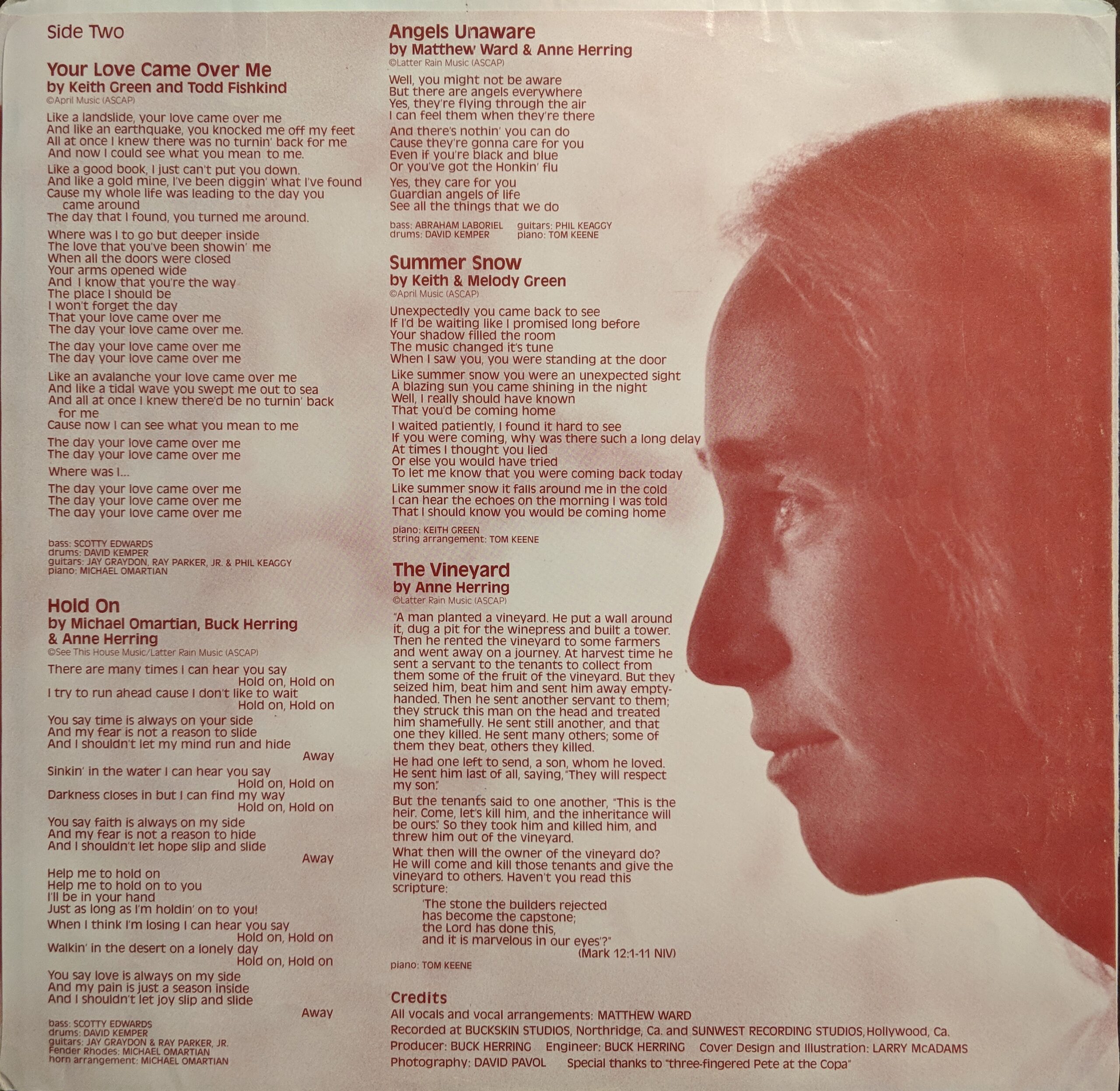
Track Listing: 1 – It’s All Right – 2:34 2 – Soft Spot – 3:42 3 – Noah’s Song – 3:56 4 – Till The Walls Fall Down – 2:29 5 – Gotta Do Better Than This – 3:23 6 – Your Love Came Over Me – 4:07 7 – Hold On – 3:10 8 – Angels Unaware – 2:26 9 – Summer Snow – 3:36 10 – The Vineyard – 2:18
Credits: Scotty Edwards – Bass Todd Fishkind – Songwriter Jay Graydon – Guitars Keith Green – Songwriter, Piano Melody Green – Songwriter Annie Herring – Songwriter Buck Herring – Producer, Engineer, Songwriter Phil Keaggy – Songwriter, Guitars Tom Keene – String Arranger, Piano David Kemper – Drums Abraham Laboriel – Bass Michael Omartian – Horn Arranger, Songwriter, Synthesizer, Piano, Fender Rhodes, Percussion Ray Parker, Jr. – Guitars Matthew Ward – Songwriter, Vocal Arranger, Vocals
Companies, etc. Phonographic Copyright (p) – Sparrow Records, Inc. Recorded At – Buckskin Studio Recorded At – Sunwest Recording Studios
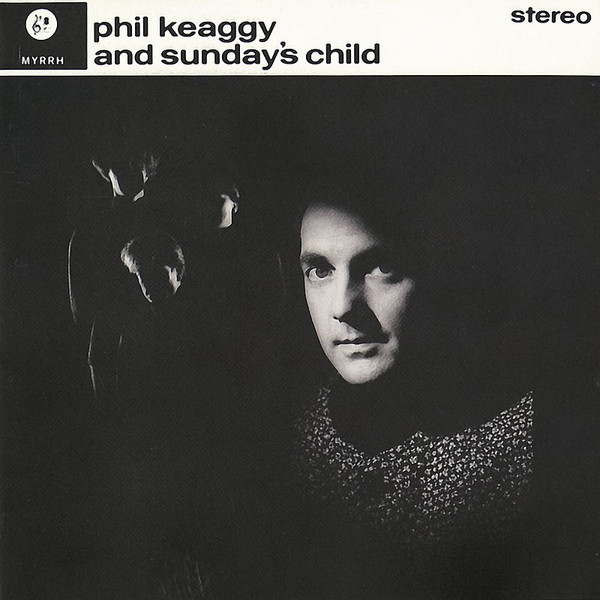
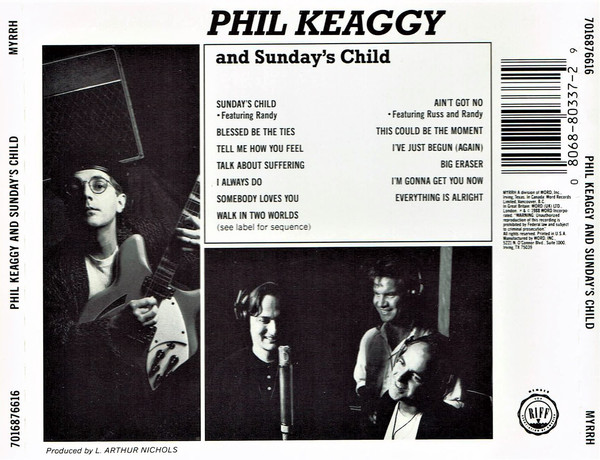
I guess this album was the result of “if you can’t beat them, join them.” Constantly compared to Paul McCartney during his career, why not just do a Beatles album? What was actually supposed to be a possible semi-regular group, Phil Keaggy & Sunday’s Child only ever released this one album. But what an album they created! Making up the rest of “Sunday’s Child” are Rick Cua on bass, Mike Mead on drums and Lynn Nichols on guitar and vocals. It also may go down in CCM history as the single nicest group of musicians to record a record together. There is this one odd thing about many Keaggy albums. Those with great songs have a tendency to lack the guitar prowess that many clamor for, while those with great guitar work have tendency to lack quality songwriting throughout. This album is all about the songwriting and is clearly some of Keaggy’s finest work in the regard. And true to form the album is not filled with blazing and intricate guitar work, though many tasteful and enjoyable examples can be found. There album is also the most “band” sounding in his career outside of the Crimson and Blue recordings. But that band is supported by a Hall of fame list of musicians including Steve Taylor, Mark Heard, Randy Stonehill, Alwyn Wall, Derri Daugherty, Russ Taff and the always impressive and often overlooked James Hollihan on guitar. Many of the guests also provided songwriting help. The Beatles comparisons are not subtle. They were clearly the inspiration and that adds to the sheer joy of the album. In fact, according to the liner notes, Ringer Starr’s drum kit was used on the recording. Older amps, instruments and recording processes were employed to give the album the rich, analog sound.
The album kicks off with the mid-tempo rocker, “Tell me How You Feel.” This tone setter reveals what will follow with the head side bopping beat and Keaggy’s higher end vocals at times reminiscent of McCartney with abandon. But there is also a clear nod to the Byrds here and throughout. The title track, co-written with Stonehill, was a hit, and for good reason. This song is memorable and smart at the same time. I believe I hear Stonehill’s vocals in there as well. The two released a wonderful album a year or so ago that employed some of the same musical stylings. A personal favorite, and one of the better rockers on the album is “I Always Do.” Starting slow before kicking halfway through the verse into a killer rocker that is more reminiscent of Glass Harp’s poppier side. The song also features one of the more upfront guitar solos and the best hook on the entire album. Without blazing fingers and extended riffs, Keaggy here shows the power of a well controlled, melodic and tasteful rock solo. It should be noted this is a Mark heard penned tune. “I’m Gonna Get You Now” is more early 70’s rock and sounds the least like the Beatles as any on the record, excepting the song that follows. But it should be noted that it also provides some of Keaggy’s best rock vocals. Co-written by Lynn Nichols, the songs edge gives Keaggy the change to explore some vocal styles he hadn’t previously. If someone mentioned that Steve Taylor co-wrote one of the songs, my guess would immediately be “Bless Be the Ties,” and that would be correct. More psychedelic than the rest of the album, this slower, dare I say darker (?) song remains one of the best as well. This Could Be the Moment” returns to the more fun rock and roll. This is a good old-fashioned, put the top down on the convertible and hit Pacific Highway. The chorus is a monster with some great harmonies. The instrumental break just pounds with Mead’s great driving beat and Keaggy’s subtle and building guitar work. Even Cua gets a short solo here! This was a great song live I should add as it was extended to include solos from everyone. Side Two kicks off with the loudest guitars and a song co-written by Stonehill called “Ain’t Got No.” But this Stonehill is Sandi, the then wife of Randy. Oddly enough, it sounds like something randy would have recorded himself. It’s hard to decide which song stands out as the “best” on such a great album, but “Somebody Loves You” would have to receive recognition. The acoustic driven rock song is pure Keaggy and one of the songs Keaggy penned entirely by himself. Keaggy here shows his guitar prowess is not just limited to electric and solo, but tasteful and smart acoustic rhythm work as well. This alone gives it more of a Byrds feel. Another of the darker feeling songs follows with “Big Eraser.” Another Nichols co-written tune, it is perfect fit for something on the Chagall Guevara debut. The vocals are clouded amongst a large rock vibe and huge drum sound. This would make sense given Nichols involvement with the group. The Mark Heard penned “Everything is Alright” is a true dichotomy. A dark and almost atmospheric verse structure followed by a pop and memorable hook driven chorus. This is also around the time of Ideola, and the style shows through. “I’ve Just Begun (Again)” brings the album back to the joyful musical expressions that dominate the vast majority of the album, while the following “Walk In Two Worlds” represents the darker, rougher edge. One would have hoped future releases would expand upon this sound as it worked so incredible well here. The album closes with a wonderful version of the traditional spiritual “Talk About Suffering.” Staring nearly in an acapella (drums only) before adding the band, this version is both beautiful and unforgettable. A fitting ending to a great album. This may be Keaggy’s finest hour as a songwriter, though another album of his will appear much later in the countdown, it is a real shame this ended up being only a one-off and no further collaborations between these men exists in this format.
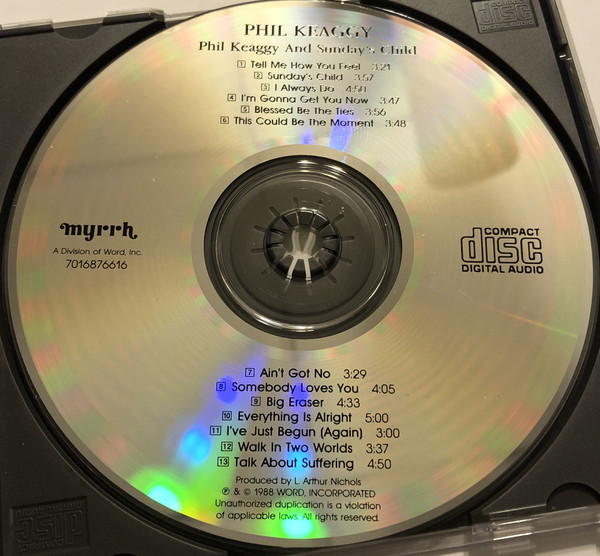
Tracklist 1 – Tell Me How You Feel – 3:21 2 – Sunday’s Child – 3:57 3 – I Always Do – 4:50 4 – I’m Gonna Get You Now – 3:47 5 – Blessed Be the Ties – 3:56 6 – This Could Be the Moment – 3:48 7 – Ain’t Got No – 3:29 8 – Somebody Loves You – 4:05 9 – Big Eraser – 4:33 10 – Everything Is Alright – 4:19 11 – I’ve Just Begun (Again) – 3:00 12 – Walk In Two Worlds – 3:37 13 – Talk About Suffering – 4:50
Credits Robbie Buchanan – Organ B3 Lenny Castro – Percussion Rick Cua – Bass Derri Daugherty – Vocals Lance Demers – Songwriter Dave Hackbarth – Mixed Mark Heard – Songwriter, Engineer, Keyboards, Guitar, Vocals James Hollihan – Guitar Wade Jaynes – Mixed Eddie Keaggy – Mixed Phil Keaggy – Songwriter, Guitars, Bass, Percussion, Vocals Mike Mead – Drums Lynn Arthur Nichols – Producer, Songwriter, Guitar, Vocals A. Palladino – Songwriter Jack Joseph Puig – Mixed David Schober – Engineer Jimmie Lee Sloas – Vocals Bart Stevens – Mixed Randy Stonehill – Songwriter, Guitar, Vocals Sandi Stonehill – Songwriter Russ Taff – Vocals Brian Tankersley – Engineer Steve Taylor – Songwriter, Percussion Rudy Valentine – Vocals Alwyn Wall – Vocals
There is not a lot to say about Phil Keaggy that hasn’t already been said. In fact, I can be pretty sure than nothing I say will be in any way enlightening to the reader. I can do no more than to simply repeat the previous accolades and find a way to recommend even more so the need to own as much Phil Keaggy as humanly possible, especially his 70’s and 80’s material which is just staggeringly impressive. Town to Town is separated from nearly all other Keaggy releases by the fact that it may be his most accessible and commercial. It contains more radio friendly and pop based structured than any other Keaggy recording outside of the “band” Sunday’s Child. The opening track is a great live favorite that tells the story of a one night reunion with his classic rock band, Glass Harp. This song, like many of Keaggy’s, suffer from the guitar solos being limited. The same is not the case for the following track, Full Circle. Here is a great example of how to create a pop rock song without shorting the guitar aficionado fans desire for Keaggy guitar solos. “What a Wonder You Are” featured vocal support from the queen of Christian duets, Michele Pillar, and ended up being the biggest hit from the album. The song broke molds in that was one of the first radio hits that was simply a love song without having to be a “wedding song.” Previously the only romantic songs were those specifically created for weddings. The album closes with one of Keaggy most popular and enduring songs, Let Everything Else Go. The beautiful song proves that stunning guitar work does not always have to be blistering guitar solos, but also soothing, atmospheric sounds created at the hands of a master. Here we find beautiful and haunting sounds that so create the musical canvas Keaggy’s Paul McCartney-like vocals can paint upon.
Contributor David Lowman – https://ccms500bestalbums.wordpress.com/
Tracklist 1 – Wished You Were There – 3:01 2 – Full Circle – 4:15 3 – Life Love And You – 4:20 4 – Town To Town – 6:45 5 – What A Wonder You Are – 4:00 6 – In Between – 3:01 7 – Our Lives – 5:23 8 – Rise Up O Men Of God – 4:10 9 – Let Everything Else Go – 4:50
Credits Alex Acuña – Percussion Curt Bartlett – Guitar Bob Cotton – Engineer, Producer Jim DeLong – Drums, Percussion Eugene Friesen – Composer Leon Gaer – Bass, Bass (Electric), Guitar (Bass) Dean Hagen – Drums Paul Halley – Composer Bruce Hibbard – Vocals (Background) Lee Jones – Fretless Bass Bernadette Keaggy – Vocals Phil Keaggy – Bass, Composer, Guitar, Guitar (Bass), Primary Artist, Vocals Tom Keene – Keyboards, Piano, Synthesizer Dan Murdock – Keyboards, Piano Michele Pillar – Vocals (Background) John Pooley – Engineer Denny Siegrist – Engineer Richard Souther – Synthesizer The Winans – Vocals (Background) Pete York – Vocals (Background)
Companies, etc. Phonographic Copyright (p) – Sparrow Records, Inc. Printed By – Garrod & Lofthouse Ltd.